
Alcohol in Hair Products: What Curly Hair Users Need to Know
When you scan a product's ingredient list and spot "alcohol," it's natural to pause. The word carries baggage —we've been trained to associate alcohol with dryness and damage. But here's the truth: not all alcohols are created equal.
In hair care, you'll find two fundamentally different types of alcohol: drying alcohols that strip moisture, and fatty alcohols that actually condition and soften. Understanding this distinction is essential for making smart product choices for curly hair.
Quick Answer
The short version: Drying alcohols (like ethanol and isopropyl alcohol) can damage curly hair by stripping moisture. Fatty alcohols (like cetyl and stearyl alcohol) are beneficial and help condition hair. Always check the ingredient list to distinguish between them—but it depends on your routine and hair type.
Understanding Alcohols in Hair Products
What Are Drying Alcohols?
Drying alcohols—also called short-chain or simple alcohols—work as solvents in hair products. They're valued for one key property: they evaporate quickly. This makes them useful in styling products where fast drying is desired.
Common drying alcohols include:
- Ethanol (also listed as Alcohol Denat or SD Alcohol 40)
- Isopropyl Alcohol (Isopropanol)
- Propanol
FinoPremium Touch Concentrated Essence Hair Mask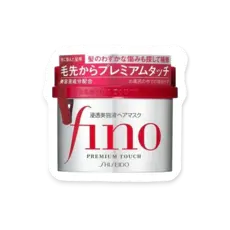
With Isopropyl Alcohol |
FinoPremium Touch Moist Conditioner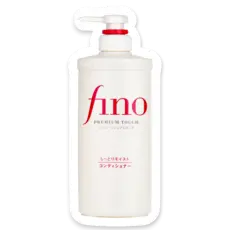
With Isopropyl Alcohol |
Happy Hair PeopleHydration Conditioner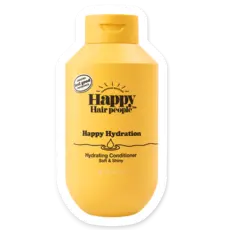
With Isopropyl Alcohol |
Table 1: Products with drying alcohols
You'll typically find these in hairsprays, gels, mousses, and volumizing products. The alcohol helps the product set quickly and creates that "crunchy" feel some styling products leave behind.
The problem: When these alcohols evaporate, they strip moisture from your hair in the process. For curly hair—which is already prone to dryness—this can lead to frizz, brittleness, and damage over time.
What Are Fatty Alcohols?
Fatty alcohols are a completely different story. Despite the name, they're nothing like the drying alcohols in spirits or disinfectants. These are derived from natural sources—typically plants like coconut oil and palm oil—and function as emollients, thickeners, and emulsifiers in hair products.
Common fatty alcohols include:
- Cetyl Alcohol
- Stearyl Alcohol
- Cetearyl Alcohol (a combination of cetyl and stearyl)
- Lauryl Alcohol
- Myristyl Alcohol
- Behenyl Alcohol
Eden BodyworksCoconut Shea Cleansing Cowash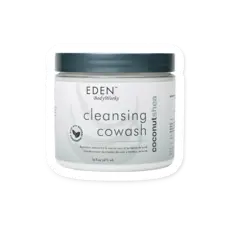
With Cetearyl Alcohol |
FinoPremium Touch Moist Conditioner
With Cetearyl Alcohol |
Eden BodyworksLavender Aloe Hair and Body Butter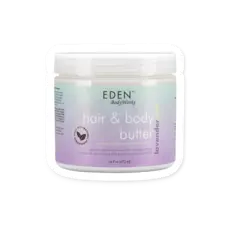
With Cetearyl Alcohol |
Table 2: Products with fatty alcohols
You'll find these in conditioners, deep conditioners, hair masks, and creams. They help create that smooth, creamy texture you expect from conditioning products. Far from drying hair, they actually help the hair cuticle retain moisture and smooth.
Think of it like the difference between cooking oils: some are light and evaporate quickly (like the drying alcohols), while others are rich and nourishing (like the fatty alcohols).
How Alcohols Affect Curly Hair
Curly hair has specific vulnerabilities when it comes to moisture. The natural oils from your scalp have a harder time traveling down curly hair strands, leaving your curls prone to dryness. Adding drying alcohols to the equation exacerbates this problem.
The impact of drying alcohols:
- Strip natural oils from the hair shaft
- Leave hair feeling dry and brittle
- Increase frizz and breakage
- Particularly problematic for already-dry or damaged hair
The impact of fatty alcohols:
- Provide moisture and conditioning
- Smooth the hair cuticle
- Help products achieve creamy textures
- Generally safe and beneficial for curly hair
One important nuance: some users report buildup from fatty alcohols, particularly those following strict co-wash routines. This is different from the drying damage caused by short-chain alcohols—it's a separate issue related to product accumulation. If you notice buildup, you might benefit from occasional clarifying.
Routine Context
CGM (Original)
The Curly Girl Method traditionally avoids drying alcohols, as they contradict the foundation of moisture-focused care. Fatty alcohols are generally accepted and often found in CGM-approved products.
Low-Poo
Similar to CGM—drying alcohols may be tolerated in small amounts in styling products, but fatty alcohols are preferred in cleansing and conditioning products. See low-poo for more details.
Co-Wash
Focus on fatty alcohols in your conditioning products. Some users find that even fatty alcohols can build up in co-wash routines, requiring occasional clarification.
Clarifying
Clarifying shampoos can remove both drying alcohol residues and fatty alcohol buildup. This is a reset option if you've been using products with drying alcohols.
How to Check Products
The key skill is reading ingredient lists to distinguish between alcohol types. Here's what to look for:
Avoid these (drying alcohols):
- Alcohol Denat.
- SD Alcohol 40
- Ethanol
- Isopropyl Alcohol
- Propanol
Look for these (fatty alcohols):
- Cetyl Alcohol
- Stearyl Alcohol
- Cetearyl Alcohol
- Lauryl Alcohol
- Myristyl Alcohol
Some products contain both types—typically a styling product might have drying alcohols for quick-drying while still including fatty alcohols for conditioning. Use Bönpello's scanner to quickly identify what's in your products.
Explore More Ingredients
Discover our detailed guides on other ingredients for curly hair care:
- Polyquats and the Curly Girl Method - What polyquats are, how they coat hair, and when to clarify.
- Botanical Extracts in Hair Care: What Curly Hair Users Need to Know - How plant-derived extracts support co-wash routines, scalp health, and Bönpello's scanner guidance.
The Bottom Line
When evaluating alcohol in hair products, your default should be:
- Drying alcohols: Approach with caution, especially in leave-in and styling products
- Fatty alcohols: Generally beneficial for curly hair
But remember—formulation matters. A product with some drying alcohol might work fine for someone with oily hair, while the same product could cause problems for someone with dry, curly hair. Individual results vary based on hair type, porosity, and routine.
The best approach is to scan your products, understand what you're putting in your hair, and adjust based on how your curls respond.
