Cornstarch for Hair: Benefits, Risks, and How to Use It (Zea Mays Starch)
Cornstarch for Hair (Zea Mays Starch): What It Does and Why People Use It
Peek into your kitchen cabinet, and there lies a hidden gem – Zea Mays, or as you know it, Corn Starch. Beyond its role in thickening soups or baking delights, this unsung hero has a lot to offer for your hair!
Why Zea Mays (Corn Starch) is in haircare
Oil absorption + scalp refresh (dry shampoo-style)
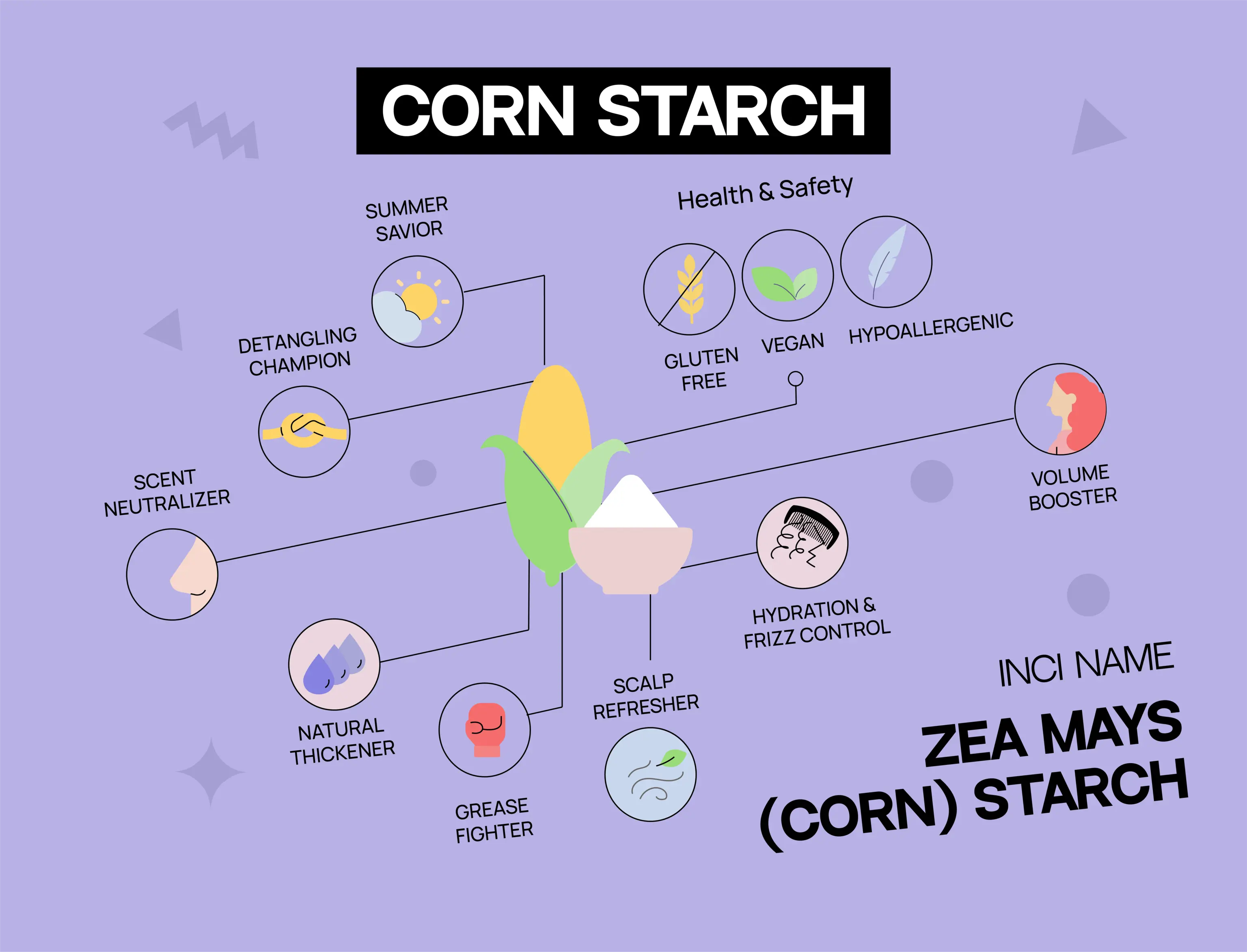
Ever dreamt of maintaining a fresh, clean scalp even on the hottest days or post-workout? Corn starch is commonly used as an absorbent in powder cosmetics and dry shampoo-style products. It can help reduce the appearance of oil at the roots and leave hair feeling fresher between washes.
Volumizing effect
Zea Mays can also help hair look fuller by reducing oil at the roots and adding a lightweight, powdery texture.
Grease fighter and odor help
By absorbing excess oils and moisture, cornstarch can help minimize that greasy sensation. Many people also use it to help hair smell fresher between washes.
Hydration and Detangling Agent
Not just a volumizer, Zea Mays can be found in a range of hair products. In formulas, it may contribute to a softer feel and easier detangling.
Choose Natural, Choose Cornstarch
Gentle on Sensitive Souls
If you're worried about harsh cleansers, cornstarch-based products can be a lightweight option for refreshing hair between washes. That said, sensitivities vary from person to person—always discontinue use if irritation occurs.
Embrace the Natural Goodness
Looking for hair care solutions that align with your ethical and dietary choices? Cornstarch is both vegan and gluten-free, making it a natural choice for everyone.
FAQ: Cornstarch for Hair
Is cornstarch bad for your hair?
Cornstarch is generally not bad for your hair when used occasionally and properly. It's a natural, non-toxic ingredient commonly used in cosmetic products for its oil-absorbing properties.
However, there are a few considerations:
- For occasional use as a dry shampoo: Cornstarch is considered safe for most people when used to absorb excess oil at the roots between washes.
- Potential irritants: Some people may experience scalp irritation, especially if they're sensitive to fragrances, have a reactive scalp, or use powders too frequently.
- Buildup concerns: Regular use may lead to product buildup, which can make hair feel flat or coated over time.
If you notice itching, redness, or flaking after using cornstarch (or any dry shampoo), stop using it and wash it out thoroughly.
Is cornstarch good for your hair?
Cornstarch can be good for your hair depending on your goals and how you use it.
- If you need quick oil absorption: Cornstarch works well as a temporary solution for refreshing greasy roots between washes.
- If you want volume: The lightweight powder texture can add volume and reduce the appearance of oil.
- If you're looking for treatment benefits: Cornstarch is primarily a "cosmetic fix" rather than a deep treatment—it absorbs oil but doesn'tCondition or nourish hair.
For best results, use sparingly and follow with a thorough wash when needed.
Can I use cornstarch as dry shampoo?
Yes, cornstarch can be used as a natural dry shampoo alternative. It's one of the most common starch-based absorbents found in powder cosmetics and dry shampoo products.
Important safety notes:
- Avoid inhalation: Don't breathe in the powder directly. Apply to roots using your hands or a brush, not by sprinkling and inhaling.
- Comparison to talc: Starch-based products like cornstarch are generally considered safer for inhalation than talc-based powders because starch particles tend to be larger and less easily absorbed into lungs.
- Proper application: Apply a small amount to the roots, wait a moment, then brush or comb through to distribute evenly and reduce visible residue.
How do I use cornstarch in my hair?
- Apply to roots only: Sprinkle or tap a small amount onto your scalp and hair roots (not the lengths).
- Wait: Let it sit for 30 seconds to a minute to absorb oil.
- Distribute: Use your fingers or a brush to comb through and distribute the powder evenly.
- Remove excess: Shake out or brush out any visible residue.
- Wash later: Use a regular shampoo when you next wash your hair to remove completely.
What if I'm worried about buildup?
If you use cornstarch (or any dry shampoo) regularly, buildup can occur. Signs include:
- Hair feeling coated or heavy
- Reduced volume
- Hair that's harder to wet
Solution: Use a clarifying shampoo periodically (once a week or as needed) to remove buildup and reset your hair. For more details, check out our guide: https://bonpello.com/en/blog/what-is-clarification
How can Bönpello help?
If you're using products that contain cornstarch (or you're unsure what's in your dry shampoo), the Bönpello app can help you spot and interpret ingredients based on your routine.
Hair Care Products Infused with the Magic of Cornstarch
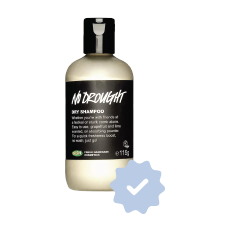
Many hair care products harness the power of Corn Starch. From dry shampoos that revitalize your hair between washes to hydrating masks that include Zea Mays, you'll find this ingredient in various forms, catering to different hair needs.
Lush -
|
Skala Experts - Amido de MilhoMask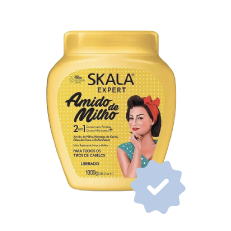
CGM-friendly |
L'occitane - Intensive RepairSolid conditioner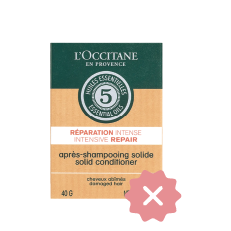
with Helianthus Annus Seed Wax |
In Conclusion
Cornstarch (Zea Mays Starch) shows up in haircare largely because it's a lightweight absorbent—useful for reducing the look of oil and refreshing roots between washes. It's generally safe for occasional use, but if you're using it often (especially as a DIY dry shampoo), apply a small amount, avoid inhaling powders/sprays, and clarify occasionally if your hair starts to feel coated.